


The most powerful skincare ingredient doesn’t come in a bottle — it comes from your plate. A well-planned plant-based diet provides everything your skin needs to glow from the inside out, and the science behind this connection has never been more convincing.
The Science Behind Food and Skin Health
Antioxidants — vitamins C, E, and beta-carotene — neutralize free radicals, the unstable molecules generated by UV exposure, pollution, and metabolic processes that break down collagen and accelerate skin aging. Omega-3 fatty acids are essential for maintaining the integrity of skin cell membranes, keeping moisture locked in and irritants locked out. Zinc regulates sebum production and has documented anti-inflammatory and antibacterial effects. Vitamin A, obtained from plant foods as beta-carotene and other carotenoids, regulates skin cell turnover, keeping the surface fresh and even-toned. And every collagen-supporting nutrient — vitamin C, lysine, proline, glycine, silica — is abundantly available from plant sources.
The Top 10 Beauty Foods for Plant-Based Skin
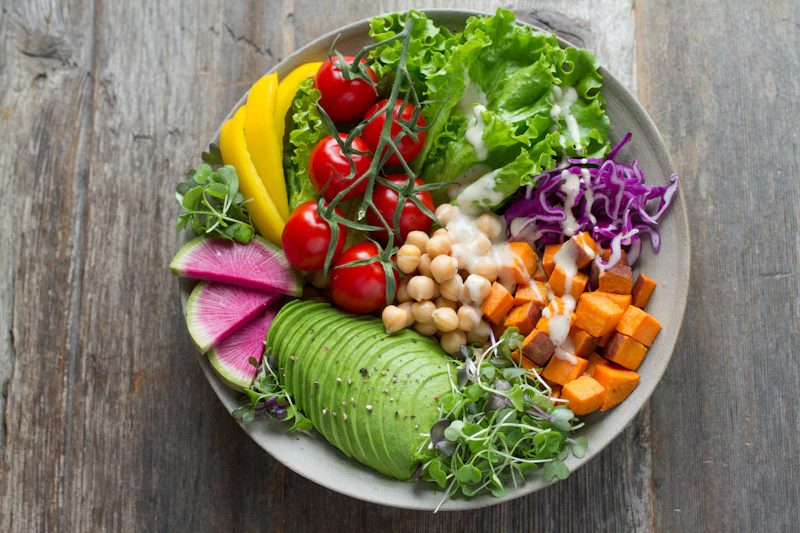
- Sweet Potato — delivers four times the daily requirement for vitamin A as beta-carotene in a single medium potato, plus vitamin C, potassium, and slow-release carbohydrates that stabilize blood sugar (and therefore sebum production)
- Avocado — rich in oleic acid for deep moisture, vitamins E and K, and glutathione — the master antioxidant that supports liver detoxification and indirectly reduces skin inflammation
- Walnuts — the only nut with a meaningful ratio of ALA omega-3 to omega-6, plus zinc, selenium, and both vitamin E and vitamin C in a single food
- Leafy Greens (Spinach, Kale) — provide iron for oxygenation, lutein for UV photoprotection from within, folate, vitamins C and K, and sulforaphane — a compound that activates the body’s own antioxidant defense system
- Berries (Blueberries, Strawberries, Açaí) — anthocyanins strengthen capillary walls (reducing redness and broken veins), high vitamin C content supports collagen synthesis, and açaí’s fatty acid profile nourishes the skin barrier
- Pumpkin Seeds — among the most zinc-dense plant foods at 20% of daily value per 30g serving, plus L-tryptophan (a serotonin precursor that supports sleep, which is when skin repair occurs) and magnesium for stress regulation
- Tomatoes — concentrated in lycopene, a carotenoid that provides measurable photoprotection; cooking increases lycopene bioavailability fourfold, and combining tomatoes with olive oil improves absorption by up to 70%
- Green Tea — EGCG (epigallocatechin gallate) has been shown to reduce UV-induced DNA damage, decrease skin roughness, and has a mild anti-androgenic effect that can help regulate hormonal acne
- Flaxseeds — the richest plant source of ALA omega-3, and uniquely high in lignans, phytoestrogens that help moderate hormonal fluctuations linked to cyclical acne breakouts
- Lentils and Legumes — provide the protein building blocks for collagen and elastin, zinc, iron for healthy circulation, and spermidine — a polyamine that triggers cellular autophagy and has been linked to slower biological skin aging
7-Day Beauty Meal Plan
Monday: Breakfast — açaí bowl with blueberries and flaxseeds. Lunch — kale salad with lentils, pumpkin seeds, and tahini dressing. Dinner — baked sweet potato with roasted chickpeas and steamed spinach.
Tuesday: Breakfast — overnight oats with walnuts, chia seeds, and strawberries. Lunch — avocado toast on whole grain with tomato and hemp seeds. Dinner — green lentil soup with turmeric, ginger, and a side of roasted broccoli.
Wednesday: Breakfast — green smoothie with spinach, frozen mango, flaxseed, and green tea base. Lunch — quinoa bowl with black beans, roasted red pepper, and sunflower seeds. Dinner — stir-fried tofu with kale, sesame, and brown rice.
Thursday: Breakfast — chia pudding with sliced kiwi and a handful of walnuts. Lunch — lentil and tomato stew with olive oil drizzle. Dinner — stuffed bell peppers with wild rice, pumpkin seeds, and herbs.
Friday: Breakfast — whole grain toast with almond butter, banana slices, and cacao nibs. Lunch — large mixed salad with chickpeas, avocado, cucumber, and lemon-flaxseed dressing. Dinner — miso-glazed tempeh with soba noodles and steamed bok choy.
Saturday: Breakfast — smoothie bowl with açaí, strawberries, hemp seeds, and granola. Lunch — white bean and kale soup with whole grain crackers. Dinner — sweet potato and black bean tacos with salsa, avocado, and pickled red onion.
Sunday: Breakfast — tofu scramble with spinach, turmeric, nutritional yeast, and whole grain toast. Lunch — grain bowl with farro, roasted beets, pumpkin seeds, arugula, and tahini. Dinner — red lentil dal with basmati rice and a side of sautéed greens.
Vegan Beauty Supplements Worth Considering
Whole food nutrition should always be the foundation, but certain nutrients warrant supplementation for those on a fully plant-based diet. Vitamin D3 from lichen is the vegan-certified form; most people — regardless of diet — are deficient, and D3 plays a role in skin immune function and wound healing. Omega-3 DHA and EPA from algae oil bypass the inefficient ALA conversion and directly support skin membrane health. Zinc supplementation may benefit those with acne-prone skin who do not consistently eat zinc-rich foods. Biotin (B7) supports keratin structure for stronger hair, skin, and nails. Silica from horsetail or bamboo extract supports collagen and connective tissue formation. Astaxanthin from algae is considered the most potent naturally occurring antioxidant known, with clinical evidence for reducing UV-induced skin damage and improving skin elasticity.
Common Dietary Mistakes That Age Your Skin
Even a well-intentioned plant-based diet can undermine skin health if certain patterns are repeated. Insufficient total protein means the body cannot produce adequate collagen, elastin, or the enzymes needed for skin repair — aim for 0.8–1g of protein per kilogram of body weight from varied plant sources. Low healthy fat intake impairs the skin barrier, causing dryness and increased sensitivity. Consistently skipping zinc-rich foods (pumpkin seeds, hemp, legumes, oats) contributes to persistent acne, slow wound healing, and dull texture. Excess refined sugar and high-glycemic foods trigger a process called glycation — advanced glycation end-products (AGEs) cross-link collagen fibers, making skin stiff, dull, and prone to sagging. Chronic dehydration reduces skin turgor and accelerates the appearance of fine lines. And ignoring the gut-skin axis — the bidirectional relationship between intestinal microbiome health and skin inflammation — means missing one of the most powerful levers available to plant-based eaters, since fiber-rich diets consistently show benefits for both gut diversity and skin clarity.
Hydration and Skin: The Water Equation
Skin hydration is not purely a topical concern — what you drink matters just as much as what you apply. The long-recommended eight glasses (approximately 2 liters) of water per day is a reasonable baseline, but actual needs vary by body weight, activity level, climate, and the water content of the foods you eat. A diet rich in fruits and vegetables contributes meaningfully to total fluid intake, with cucumbers (96% water), watermelon (92% water), and leafy greens all acting as hydration foods.
Electrolytes — particularly sodium, potassium, and magnesium — govern how efficiently your cells retain and use the water you consume. Plain water alone is not always sufficient for optimal cellular hydration, especially after exercise or in hot weather. Coconut water provides natural potassium and trace electrolytes in a low-calorie, plant-based form. Watermelon combines high water content with lycopene and L-citrulline, which supports circulation. Cucumber-infused water adds silica and a mild diuretic effect that reduces puffiness.
Herbal teas deserve special mention as beauty beverages in their own right. Green tea provides EGCG alongside hydration, contributing to its well-documented photoprotective and anti-inflammatory skin effects. Rooibos tea is naturally caffeine-free, rich in aspalathin and nothofagin (antioxidants with skin-soothing properties), and has shown anti-allergenic effects in preliminary studies. Hibiscus tea is one of the highest plant sources of vitamin C and anthocyanins in beverage form, with early evidence for supporting skin elasticity and reducing oxidative stress markers.
The simplest, most consistent habit you can build for skin hydration is starting the morning with a large glass of water before coffee or tea, maintaining regular fluid intake throughout the day without waiting until thirsty (thirst is already a sign of early dehydration), and ending the day with a calming herbal tea that doubles as a skincare ritual. Beautiful skin is ultimately the visible expression of a body that is consistently well-nourished, well-hydrated, and well-rested — and a thoughtfully planned plant-based diet delivers all three.


